Brave Perseverance, A Miscarriage Journey
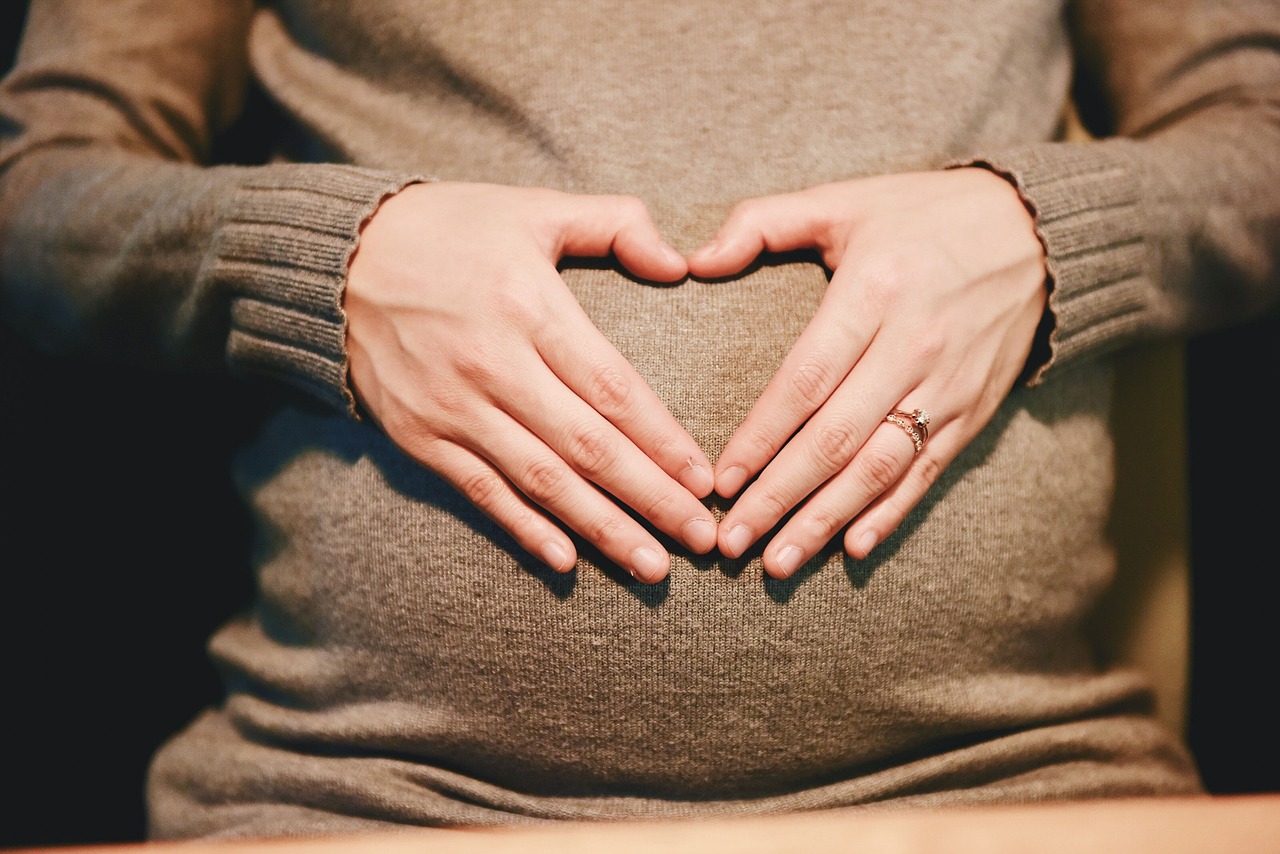
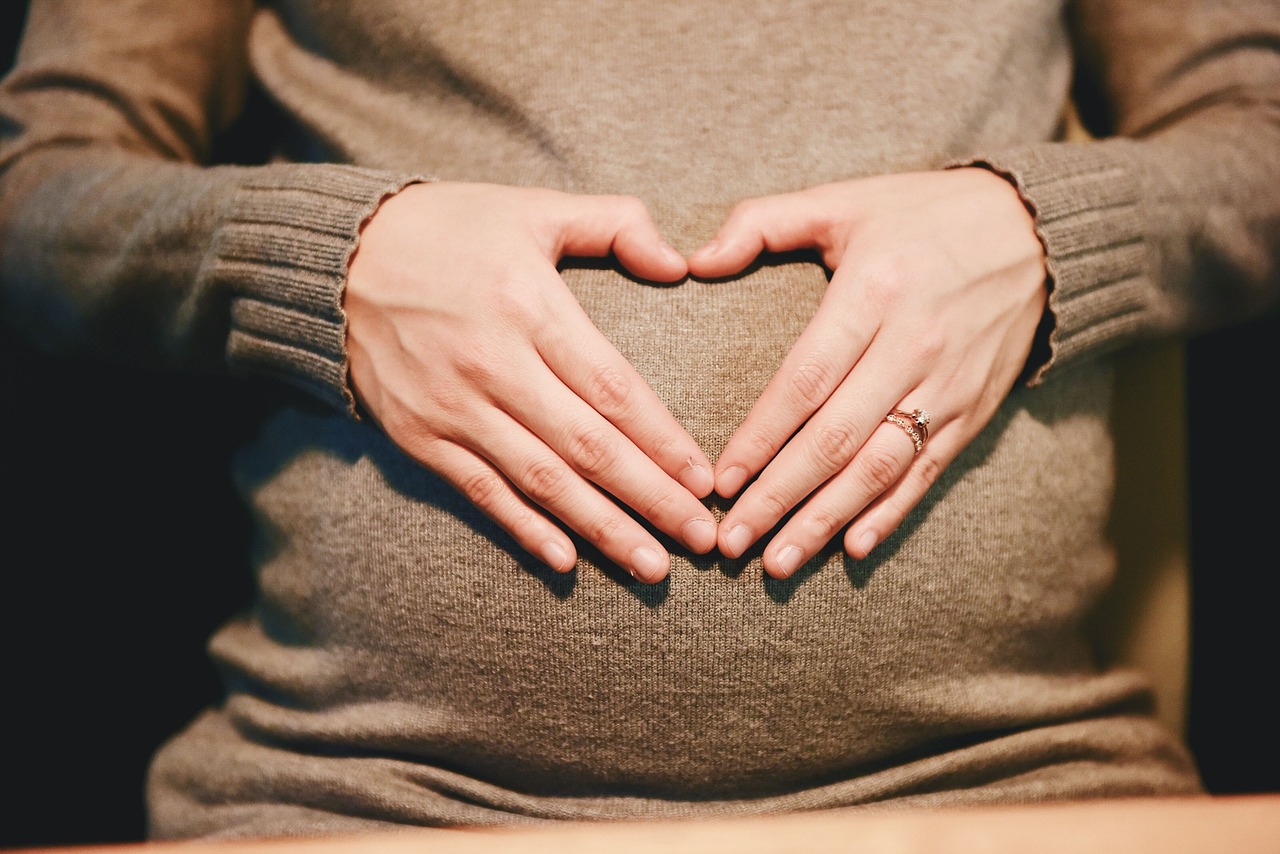
When I turned forty, life felt like it was finally opening rather than closing. I had just been to Paris. I had left a job that no longer fit me. I was stepping into something new, uncertain, and hopeful all at once. And then, quietly and unexpectedly, I found out I was pregnant.
For so many years, I wasn’t even sure I wanted a child. It wasn’t something I chased or planned with precision. I had simply decided—without really telling anyone—that I would let God decide. When my husband came home that day, and I told him, his response stopped me cold. He said that on the drive home, he had been praying, asking God what was missing in his life. And then he walked through the door to that news.
It felt like alignment. Like a whisper that said, "This matters."
And then I miscarried.
The First Loss, and the Beginning of Many
The first miscarriage was confusing more than anything else. I told myself it was nature taking its course. I told myself not to overreact. I told myself all the things women are taught to say so they can move on quietly and politely. But even then, something shifted. A door had opened, and it didn’t close neatly again.
Not long after, my father went into the hospital on his sixty-fifth birthday with atrial fibrillation. What we thought was a manageable heart issue progressed into a stroke, and suddenly my life took on a new axis. I became a caregiver. A coordinator. A translator of medical language. A watcher of decline. That role would last four years.
Grief has a way of stacking itself. Rarely do we experience one loss at a time.
Living Between Hope and Crisis
Over the next several years, miscarriages and my father’s health became intertwined chapters. I managed appointments, medications, and emergencies. I sat in waiting rooms and chapels. I learned hospital routines the way some people learn their way through grocery aisles. And in between all of it, I kept getting pregnant—and losing those pregnancies.
Each time brought a new layer of hope, followed by a deeper kind of grief.
In 2016, I miscarried again. In 2017, again. By then, I was doing everything you’re “supposed” to do. Acupuncture. Supplements. No coffee. No gluten. Doctor tests. Endless research. Facebook groups filled with women who spoke a language only we understood—HCG levels, waiting periods, the cruel math of weeks.
Waiting for numbers to rise.
Waiting for numbers to fall.
Waiting for confirmation you already knew was coming.
One loss included seeing a heartbeat. That image stays with you. It doesn’t fade.
Pain That Brings You to Your Knees
One miscarriage was so physically intense that I left work in escalating pain. I started vomiting on the drive home. It didn’t stop. When I finally made it into the house, I collapsed onto the bathroom floor, alone except for our dog. The pain was an eleven out of ten—unrelenting, consuming, disorienting. I couldn’t reach my phone. I couldn’t call for help.
And in that moment, when my body felt like it was breaking open, I reached out to God—not with polished words or theology, but with raw surrender. And something happened that I still struggle to put into language.
The pain released.
It didn’t taper. It didn’t gradually soften. It was simply gone. What replaced it was a sense of presence and peace that felt unmistakable. The doctor later told me I had experienced what were essentially mini labor pains. But what stayed with me wasn’t the explanation—it was the feeling that I had not been alone in that moment.
It was the first time I truly understood what people meant when they said they met God at their lowest point.
Faith, Not as Inheritance—but as Choice
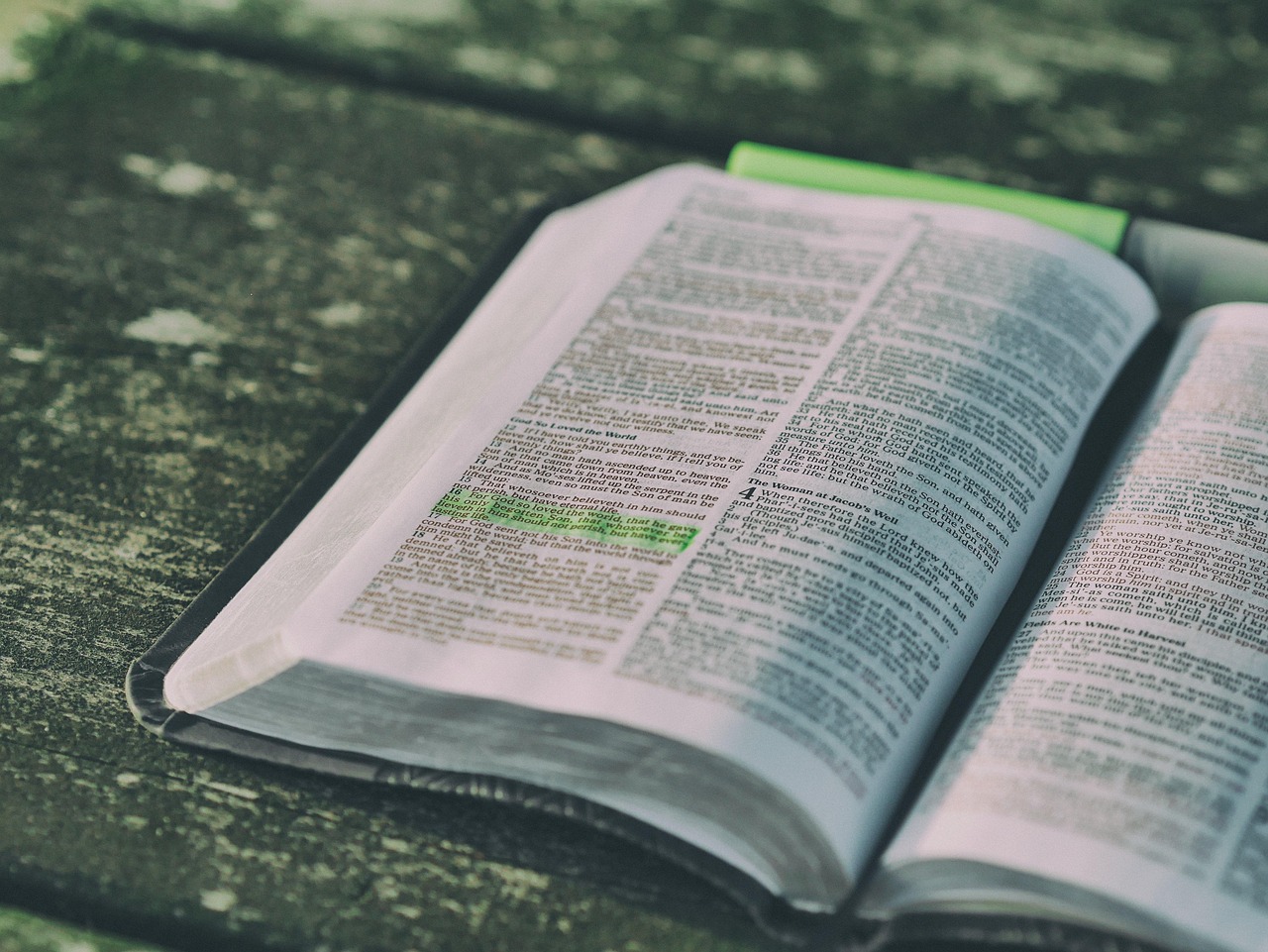
Around that time, I decided to read the Bible from start to finish. Not because I was certain, but because I wasn’t. I realized how little I actually knew, and I wanted discernment that came from understanding, not assumption. I wanted conviction that could withstand questions.
I read during hospital stays. I read during grief. I read when I felt strong and when I felt hollow. And slowly, something changed. Faith stopped being abstract and became relational. Less about answers, more about trust.
At work—at a place that was otherwise deeply toxic—I found unexpected mentors. People of quiet faith who didn’t preach, but lived what they believed. One of them told me, “Give your fear to God. To fear God isn’t to be afraid—it’s to place your fear with Him and let Him guide you.”
I didn’t know then how much fear I still had to hand over.
Loss, Compounded
In 2018, I miscarried again—this time around ten weeks. Shortly after, my father’s health deteriorated rapidly. He was given six months to live. And strangely, that was when hope, faith, and love crystallized most clearly for me. The next day, as I walked through the parking lot at work, one of my mentors was there. He prayed over me. It didn’t feel coincidental. It felt held.
Not long before my father passed, I experienced a fourth miscarriage.
One of the last things my father said to me was, “Don’t give up.”
On the day he died, he could no longer speak. We looked at each other, eyes locked, suspended in something beyond words. And silently, I told him to take care of those four souls. To tell God that I was ready.
Grief’s Strange Gifts
Grief is not only dark. It can also be strangely luminous. After my father passed, I felt caught between worlds—this one and whatever comes next. The moon looked different. One sunflower bloomed in my yard, engulfed in light, and never appeared again. These moments may not make sense to everyone, but they mattered to me. They felt like reminders that love does not end where breath does.
It took me until after my father’s death to finish reading the Bible. When I did, I felt awe more than certainty. Gratitude more than closure. It had opened my eyes, not narrowed them.
Breaking the Silence
Miscarriage is often a silent journey. Not because it lacks meaning, but because we are taught to minimize it—for the comfort of others. We grieve quietly while attending baby showers. We smile through announcements. We absorb unintended blows from well-meaning people who don’t know our stories.
I learned how isolating that silence can be. And how unnecessary.
Miscarriage unites women in a quiet strength and dignity that deserves language, not whispers. I began to understand that speaking doesn’t weaken us—it connects us. Silence doesn’t protect; it isolates.
Perseverance, Redefined
After everything—after four miscarriages, after years of caregiving, after loss layered upon loss—I became pregnant again.
In October.
In June of 2019, my daughter Adelyn was born.
Her life does not erase the others. She does not replace what was lost. She exists alongside them, a testament not to endurance alone, but to perseverance shaped by love, faith, and the willingness to keep showing up to life even when it breaks your heart.
Perseverance isn’t about pushing through pain as if it doesn’t matter. It’s about acknowledging the pain, letting it change you, and still choosing to hope.
To Those Walking This Path
If you are in this journey—waiting on test results, managing grief while functioning in the world, carrying losses that few people see—know this: you are not weak. You are not behind. You are not alone.
Your story matters, even if it is unfinished. Especially if it is unfinished.
Bravery doesn’t always look like strength. Sometimes it looks like surrender. Sometimes it looks like surviving the day. Sometimes it looks like believing that love existed—even briefly—and that it counts.
That is perseverance.
