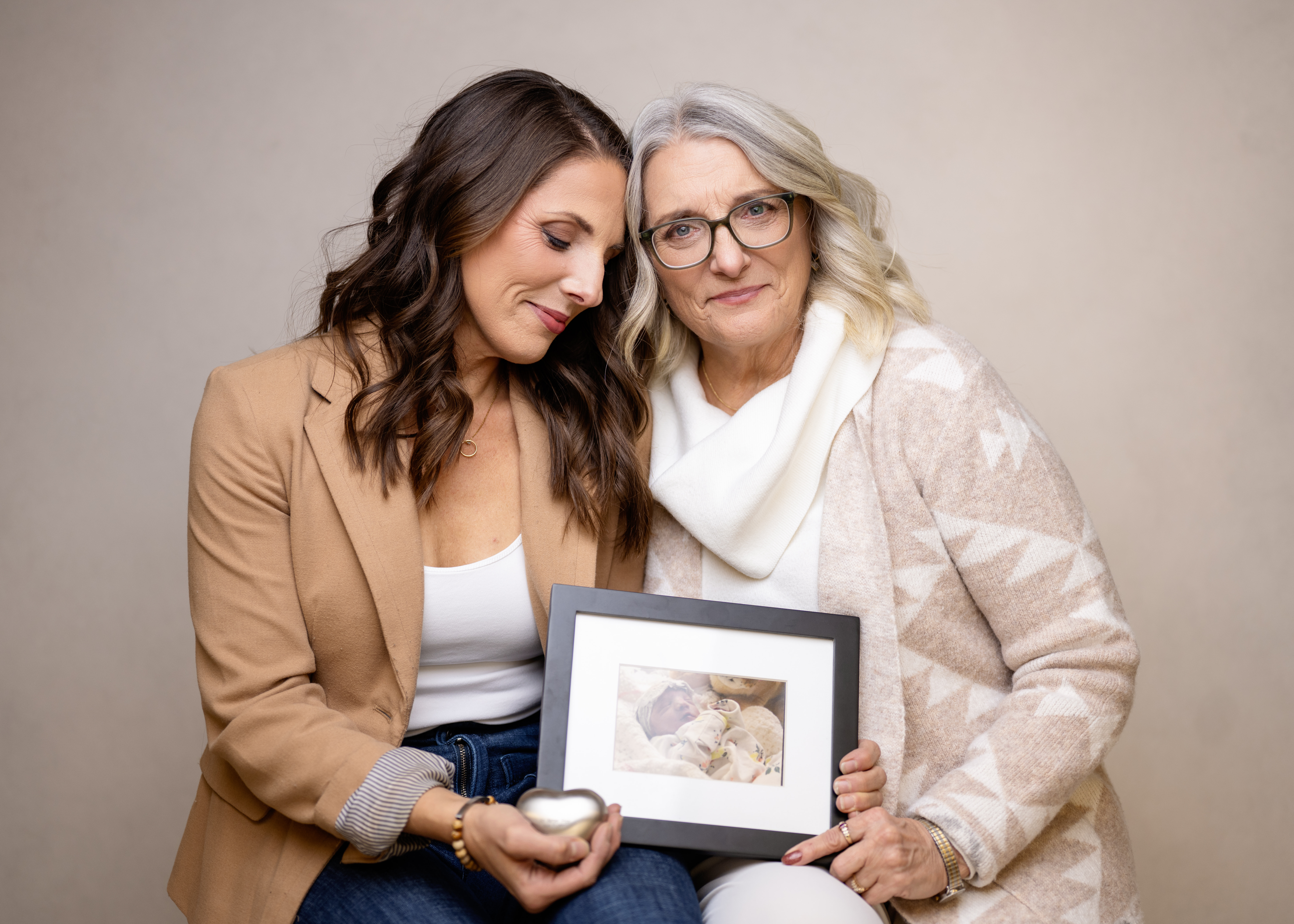
How to Cope After Losing a Grandchild: Navigating the Unimaginable Grief
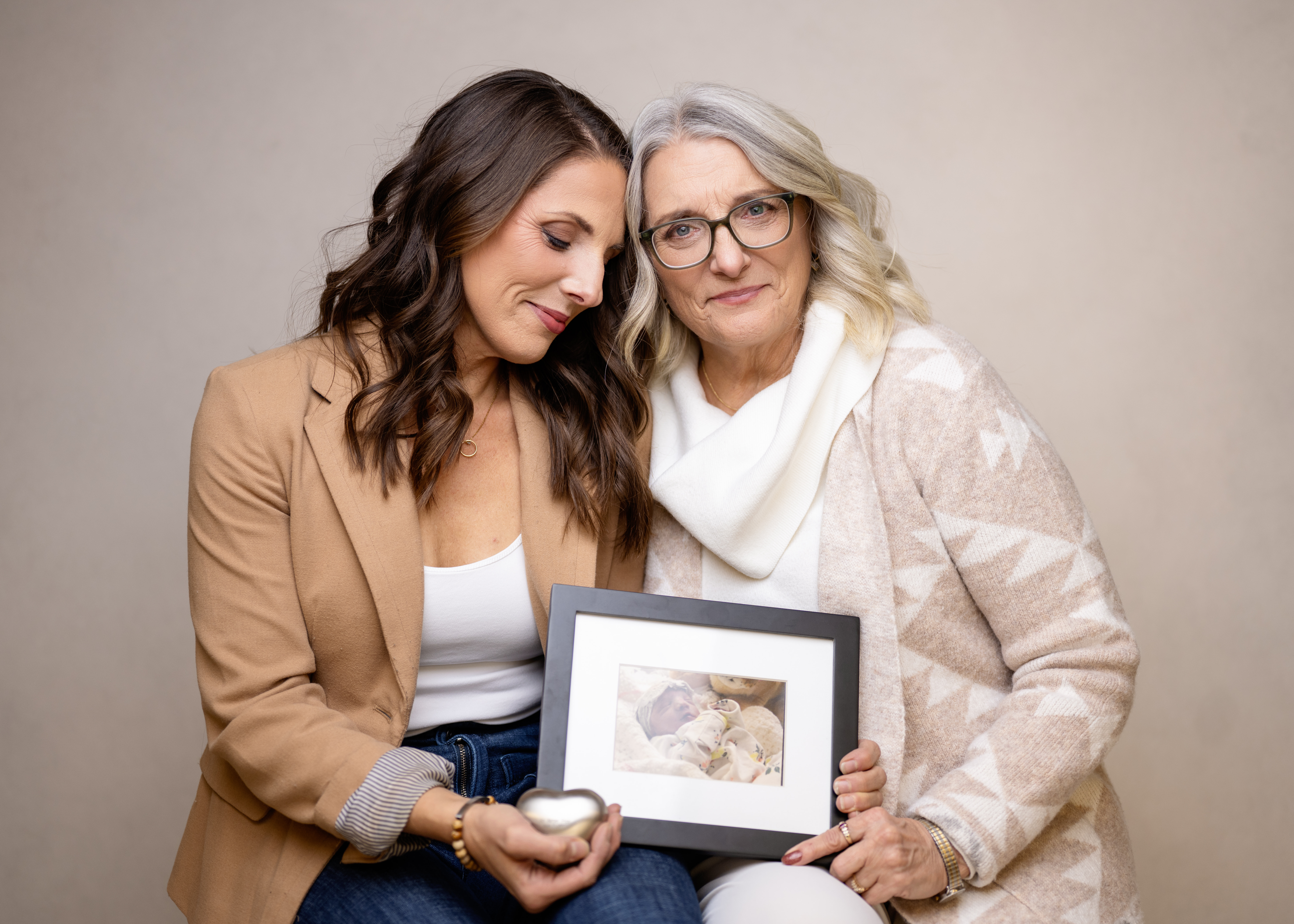
The loss of a grandchild is one of the most devastating experiences a grandparent can endure. It disrupts the natural order of life, shattering expectations of watching a young life grow, flourish, and enjoy a beautiful, fulfilled life. The grief is profound, layered, and often complicated by the simultaneous pain of watching your own child suffer the loss of their son or daughter. I never thought the biggest challenge I’d face as a mom would be supporting my daughter after she lost a child.
If you are grieving the death of a grandchild, know this: your sorrow is valid, your pain is real, and you are not alone. While nothing can remove the heartbreak, there are ways to move through grief with compassion for yourself and space for healing. Coping does not mean forgetting. It means learning how to carry the love and the loss together.
Here are some gentle, practical, and emotional strategies that help me navigate this difficult journey.
Allow Yourself to Grieve Fully
Grandparents sometimes feel pressured to “stay strong” for their children. You may believe your grief should come second to that of the parents. While it’s true that your child’s pain is immense, your grief matters too.
You have lost:
• A beloved grandchild
• Hopes and dreams for their future
• Shared memories and milestones
• The joy of watching another generation grow
Grief may show up as shock, numbness, anger, guilt, deep sadness, or even physical exhaustion. There is no right timeline and no “correct” way to mourn.
Give yourself permission to:
• Cry without apology
• Talk about your grandchild
• Take time away from social obligations
• Feel anger or confusion
• Experience moments of laughter without guilt
Grief is not the same for everyone. It moves in waves. Some days will feel manageable; others may feel overwhelming. Both are normal.
Understand the Unique Nature of Grandparent Grief
Grandparent grief is often referred to as “disenfranchised grief,” meaning it may not always be fully acknowledged by others. Society tends to focus primarily on the parents’ loss, unintentionally overlooking the grandparents.
You may feel:
• Invisible in your sorrow
• Unsure where you “fit” in the mourning process
• Torn between supporting your child and tending to your own pain
Additionally, you are grieving on two levels:
1. The loss of your grandchild.
2. The pain of watching your own child suffer.
This dual grief can be emotionally exhausting. Recognizing its complexity can help you treat yourself with greater compassion.
Support Your Child While Respecting Boundaries
As a parent yourself, your instinct may be to “fix” the pain or take control. But grief cannot be fixed. Your child may need things you don't expect.
Ways to offer support:
• Listen more than you speak.
• Avoid minimizing statements like “You can try again” or “At least…”
• Ask, “How can I support you right now?”
• Respect their need for space if they withdraw.
• Just BE THERE when they need you.
Remember, each person grieves differently. Some parents want to talk constantly about their child. Others may struggle to say the name out loud. Follow their lead.
At the same time, do not neglect your own needs. Supporting your child does not mean silencing your grief.
Let Go of Guilt
After a grandchild’s death, it is common to replay events and question what could have been done differently.
You may think:
• “If only I had noticed something sooner.”
• “Why wasn’t it me instead?”
• “I should have protected them.”
Guilt is a natural response to helplessness. But in most cases, the loss was beyond your control. Guilt can trap you in a cycle of self-blame that prolongs suffering.
When guilt arises:
• Gently challenge it with facts.
• Speak to yourself as you would to a dear friend.
• Consider talking to a grief counselor who can help you process these thoughts.
Self-compassion is essential. You did the best you could with what you knew at the time.
Create Meaningful Ways to Remember Your Grandchild
Continuing bonds with loved ones who have passed is a healthy and healing part of grief.
Consider:
• Planting a tree or garden in their memory.
• Creating a scrapbook or memory box.
• Donating to a charity in their name.
• Lighting a candle on birthdays or anniversaries.
• Writing letters to your grandchild expressing your love.
Keeping their memory alive does not prevent healing. In fact, it often helps integrate the loss into your life story.
Seek Support from Others Who Understand
Isolation can intensify grief. You may feel that friends don’t know what to say or avoid the topic altogether.
Look for:
• Grief support groups specifically for grandparents.
• Faith-based grief ministries, if you are religious.
• Online communities for bereaved grandparents.
• Professional grief counseling.
Speaking with others who have experienced similar losses can be deeply validating. You don’t have to explain the depth of your sorrow—they already understand what you are going through. They Get You!
Take Care of Your Physical Health
Grief is not just emotional; it is physical. You may notice:
• Fatigue
• Sleep disturbances
• Appetite changes
• Aches and pains
• Brain fog
Try to:
• Maintain regular meals.
• Stay hydrated.
• Take gentle walks.
• Keep medical appointments.
• Rest when needed.
Even small acts of self-care can provide stability when everything feels chaotic.
Prepare for Triggers and Milestones
Birthdays, holidays, anniversaries, and family gatherings can intensify grief. Seeing other children of a similar age may also be painful.
It helps to plan ahead:
• Decide whether to attend certain events.
• Create a ritual to honor your grandchild during holidays.
• Communicate your needs clearly to family members.
You may feel both joy and sorrow at family events. Holding both emotions at once is part of grief’s complexity.
Be Patient with Your Healing
There is no expiration date on grief. You may hear phrases like “It’s time to move on.” But grief does not disappear; it changes.
Over time:
• The sharp pain may soften.
• Memories may bring more warmth than anguish.
• You may find meaning in honoring your grandchild’s life.
Healing does not mean forgetting. It means learning how to live fully while carrying the love and loss together.
If months pass and you feel unable to function, experience persistent hopelessness, or have thoughts of self-harm, please seek professional help immediately. Complicated grief and depression are treatable, and you deserve support.
Allow Moments of Joy Without Guilt
Some grandparents feel guilty when they laugh or enjoy life after such a loss. It may feel like a betrayal.
But experiencing joy does not diminish your love.
In fact:
• Your grandchild would not want your life defined only by sorrow.
• Finding light honors the love you shared.
• Joy and grief can coexist.
Give yourself permission to smile again. It does not mean you have “moved on.” It means you are human and trying to make the best out of coping with your grief.
Strengthen Spiritual or Personal Beliefs (If Meaningful to You)
For some, faith offers comfort and perspective. For others, loss may challenge long-held beliefs.
You may find comfort in:
• Prayer or meditation
• Reading spiritual texts
• Conversations with a faith leader
• Quiet reflection in nature
If your faith feels shaken, that is also normal. Grief can transform belief systems. Be gentle with yourself as you wrestle with big questions.
Honor the Love That Remains
While death ends a life, it does not end a relationship. The love you feel for your grandchild continues.
You may carry:
• The sound of their laughter
• The feel of their small hand in yours
• The dreams you once imagined
Love does not vanish with death. It changes form.
Some grandparents find healing in:
• Sharing stories with younger family members.
• Advocating for causes related to their grandchild’s illness or circumstances.
• Living in a way that reflects the joy their grandchild brought into their life.
Final Thoughts: You Are Not Alone
The death of a grandchild is a sorrow few can truly understand unless they have walked that path. It can feel isolating, unfair, and profoundly painful.
But even in this darkness:
• Your grief is a testament to deep love.
• Healing is possible, even if slow.
• Support is available.
• Your life can still hold meaning and connection.
There is no right way to survive this loss. There is only your way—one breath, one day, one step at a time.
If you are grieving right now, may you find moments of comfort. May you feel supported. And may you remember that love does not end. It endures, even through loss.
